Methods blog · Drug Repositioning & Network Medicine
DrugSimDBDrugSimDB: a multi-modal drug–drug similarity network for in-silico drug repositioning
10,367 small-molecule drugs and 238,635 significant drug pairs, built by integrating chemical, target-sequence, functional and pathway evidence into one extensible similarity network with an interactive web explorer.
#drug repositioning#drug similarity#network medicine#database#R Shiny
Bringing a new drug to market takes over a decade and enormous investment. Drug repositioning, finding new uses for existing drugs, shortcuts much of that because safety profiles are already known. Its guiding hypothesis is simple: similar drugs should display similar therapeutic actions. The hard part is measuring “similar”. Existing resources either covered few drugs or relied on a single source of evidence, such as chemical structure alone. DrugSimDB, published in Briefings in Bioinformatics, closes that gap.
What is in the database
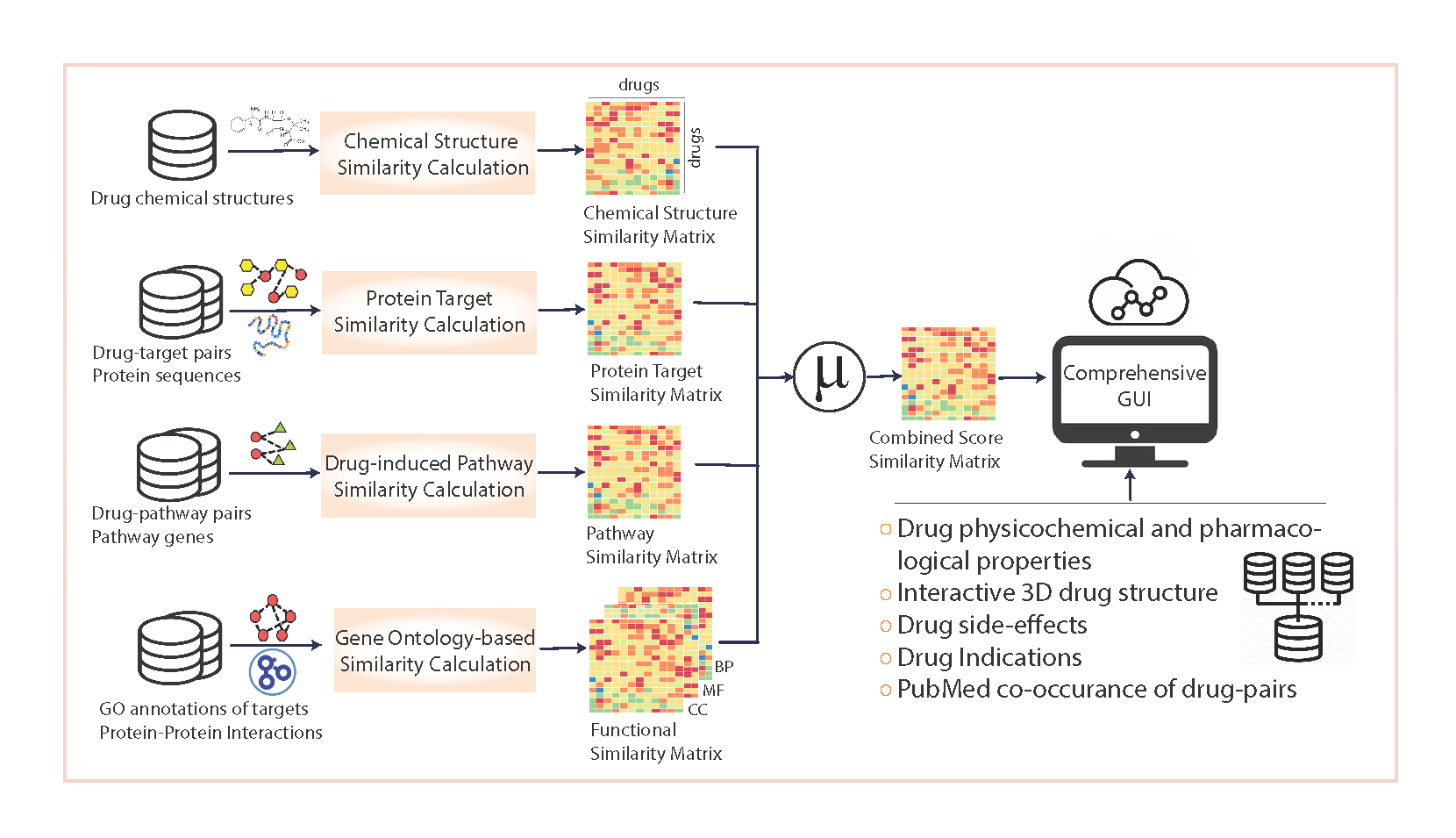
For every pair of drugs we compute similarity across complementary modalities:
- Chemical structure: molecular fingerprints and Tanimoto similarity;
- Target protein sequence: how similar the drugs’ protein targets are;
- Target function: Gene Ontology and protein–protein-interaction context of the targets;
- Pathways: shared KEGG pathways and their constituent genes.
The modalities are then aggregated into a single, multi-evidence similarity score, and significant pairs form the DrugSimDB network.
How it was built
- Data collection from DrugBank, KEGG, I2D (protein interactions) and Enrichr libraries, with RepoDB and SIDER for validation and side-effect context.
- Computation of each similarity modality in R, parallelised for scale.
- Integration of the similarity matrices into one multi-modal network.
- Access through an interactive web interface and bulk downloads.
The compilation code is documented and semi-automated, so the database can be rebuilt at any time as new drugs and annotations appear, and further evidence types can be added to the integration.
Why integration helps
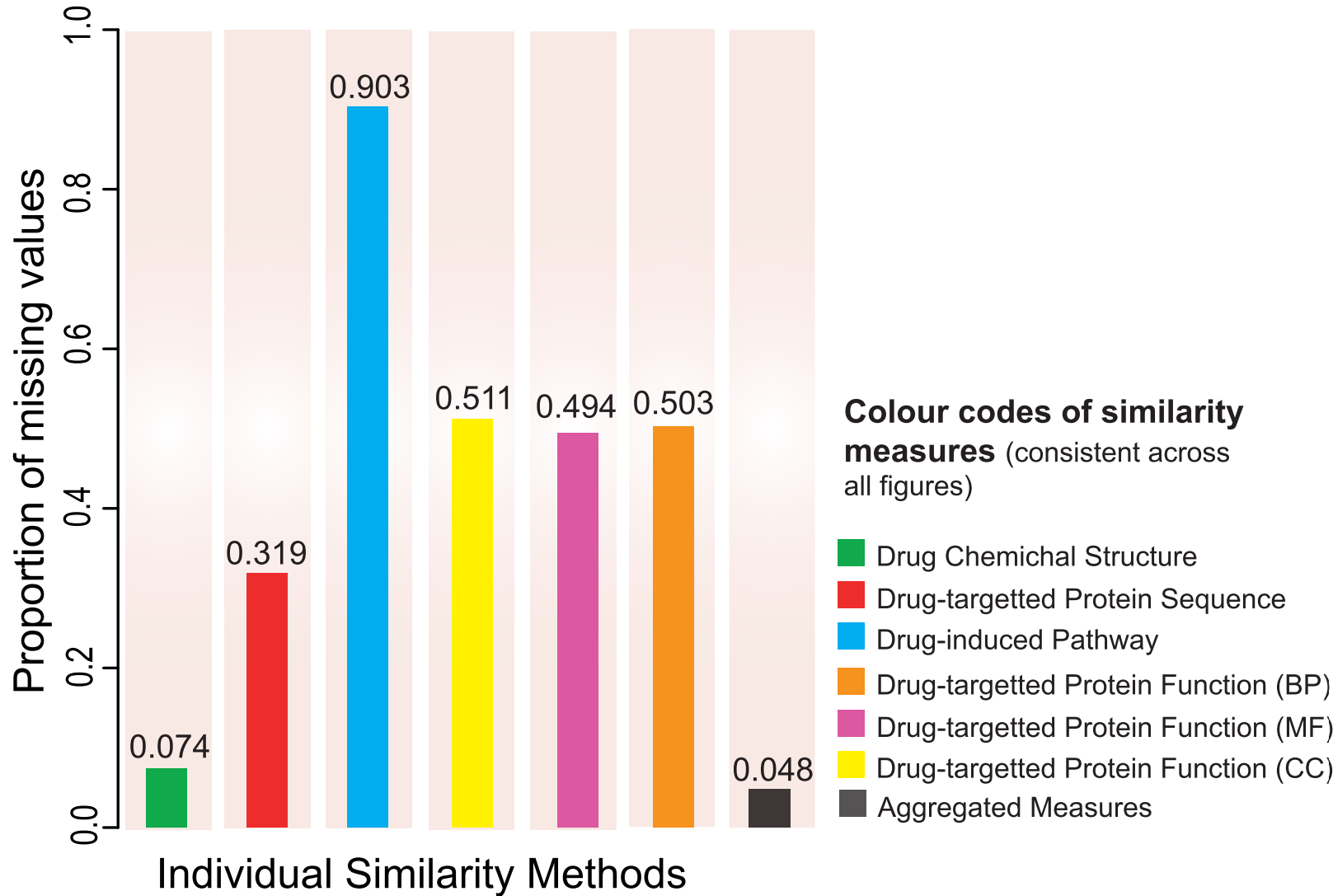
- Less sparsity. Many drugs lack one data type, for example an unknown target. Integration fills those gaps.
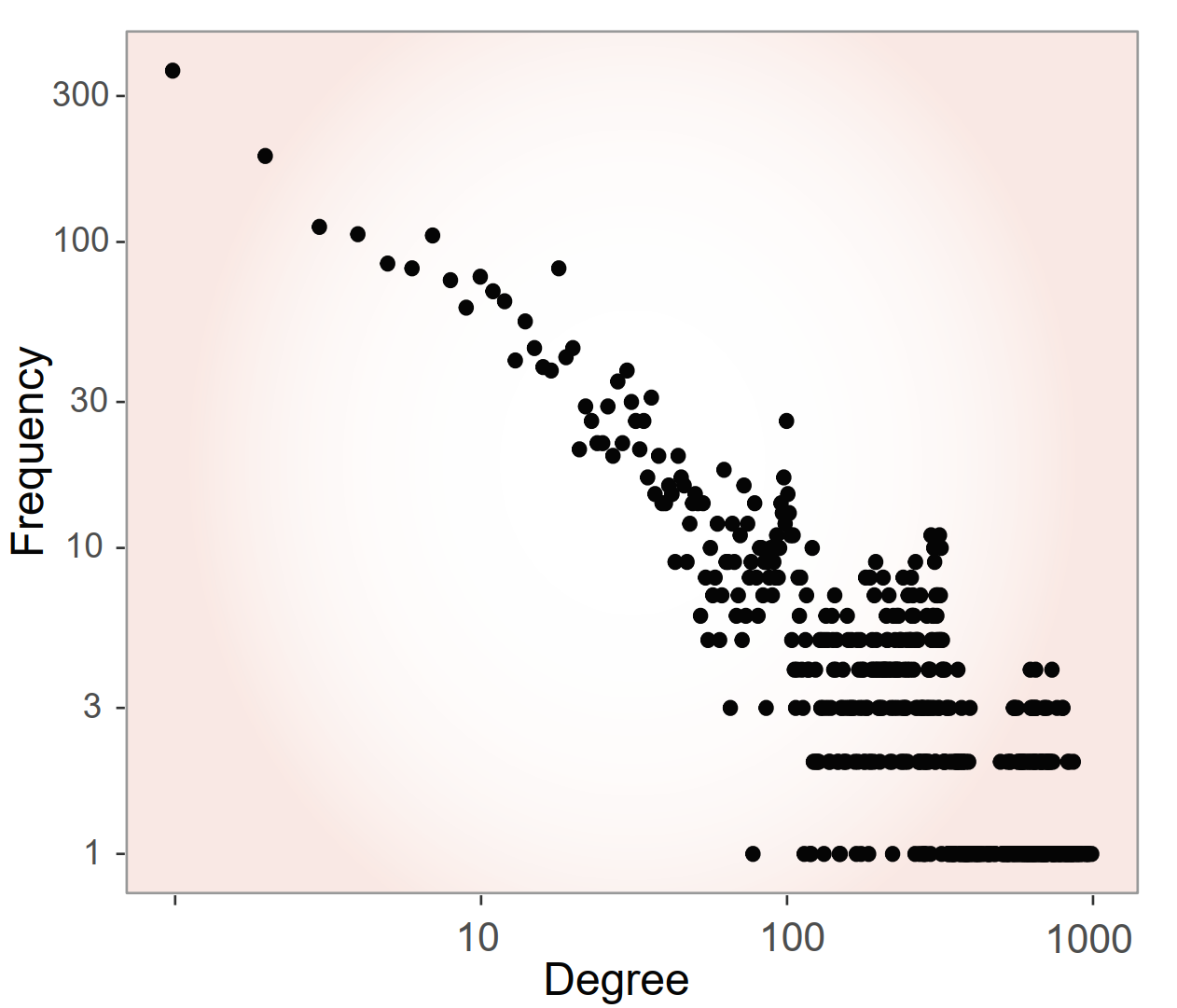
- Network structure. The integrated similarity network is scale-free, like many biological networks:
a few hub drugs connect large neighbourhoods, which suits diffusion-based repositioning algorithms.
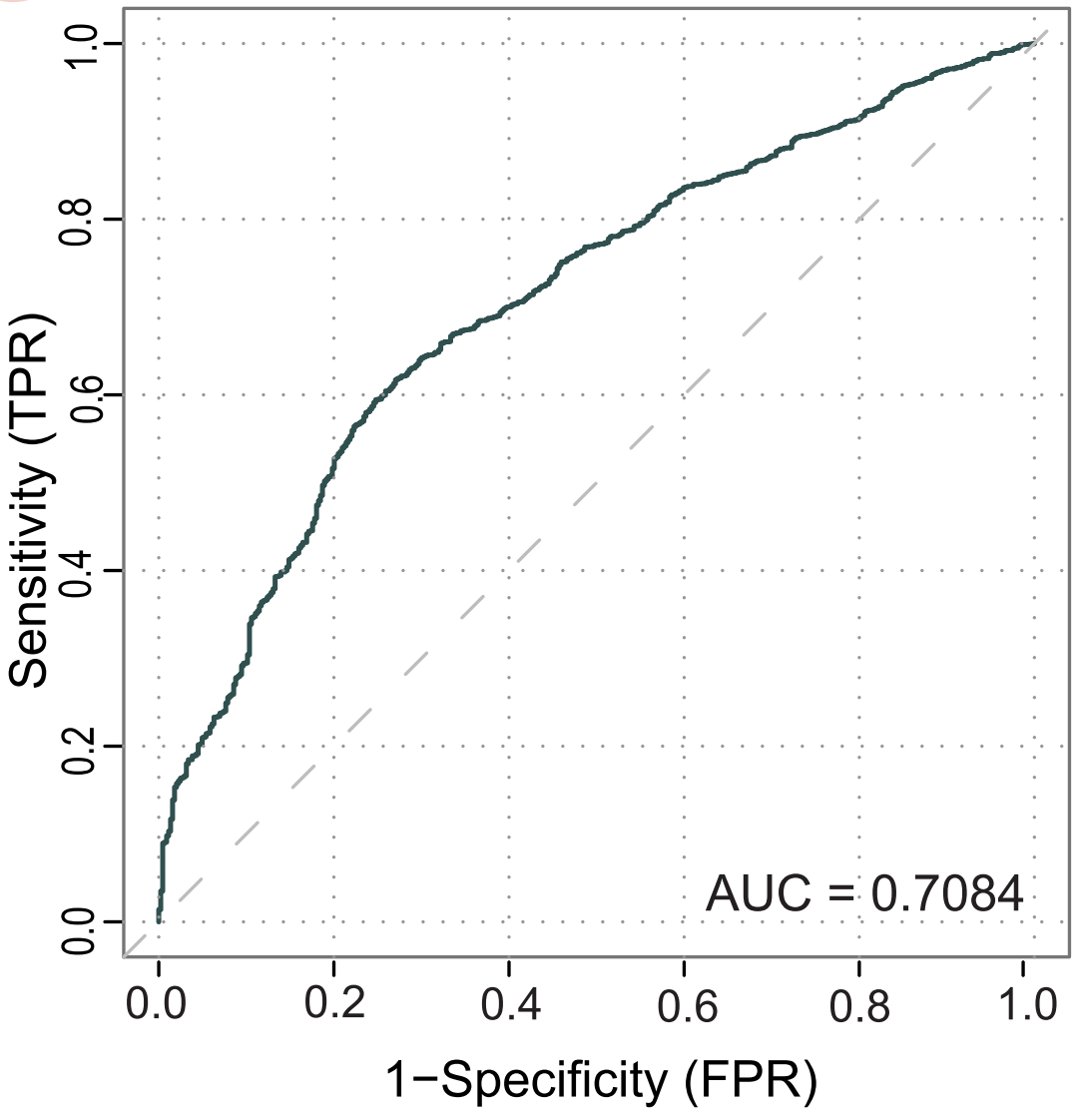
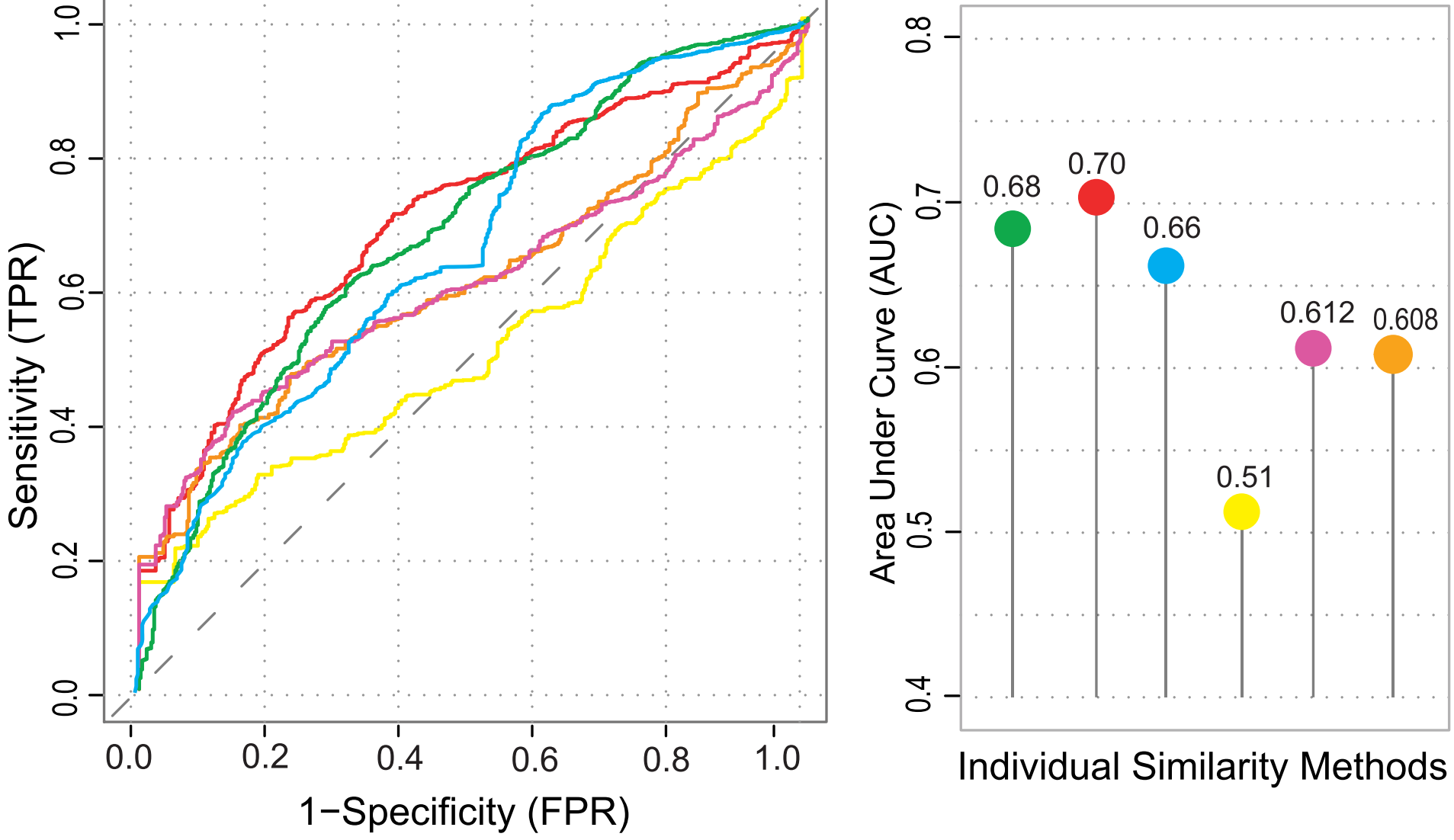
- Better repositioning performance. Multi-modal scores outperform the individual similarity measures when
benchmarked against known repositioning cases from RepoDB.
The web explorer
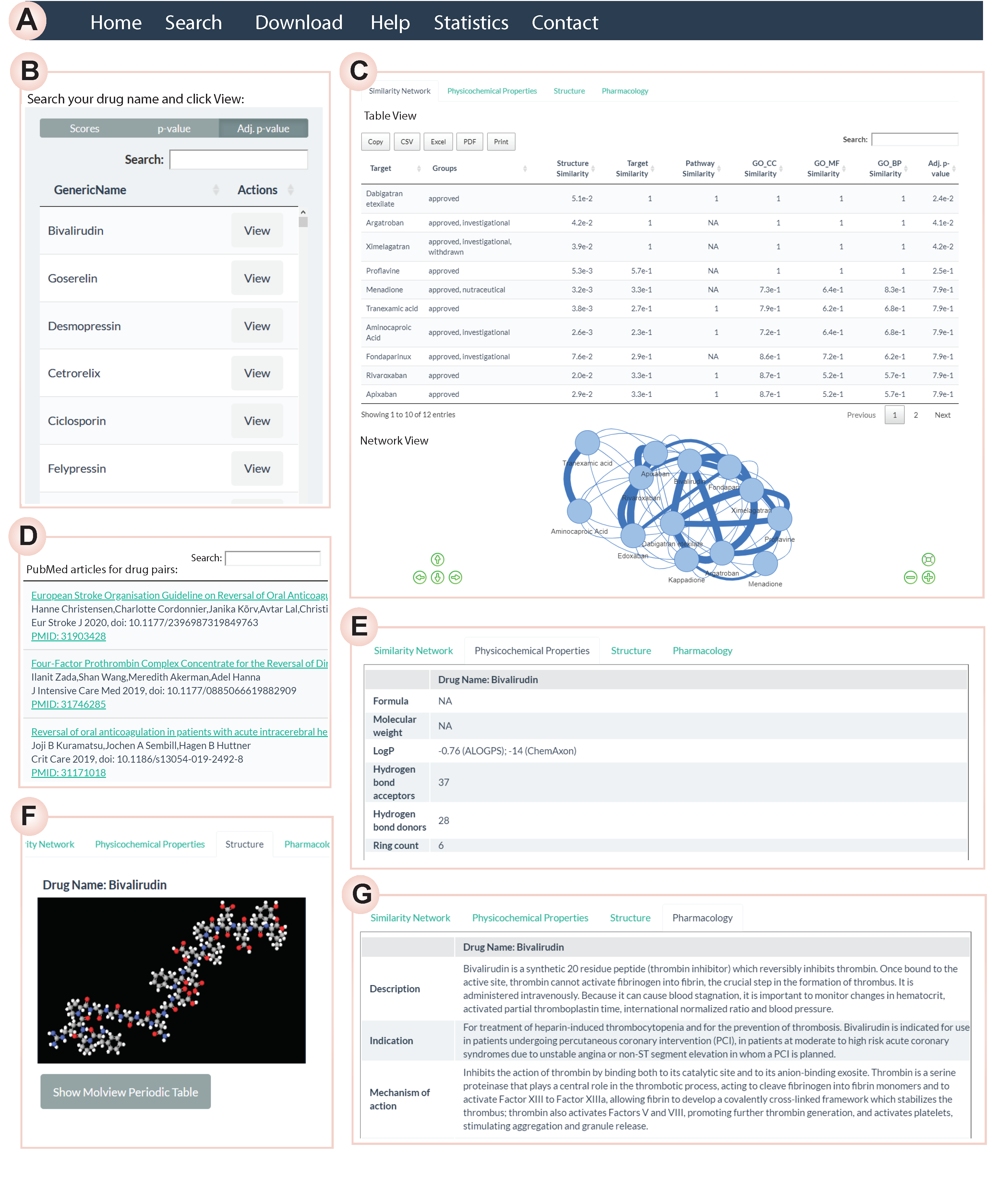
With the interactive app you can:
- search a drug and inspect its side effects (from SIDER);
- explore its similarity network, or switch to a table view;
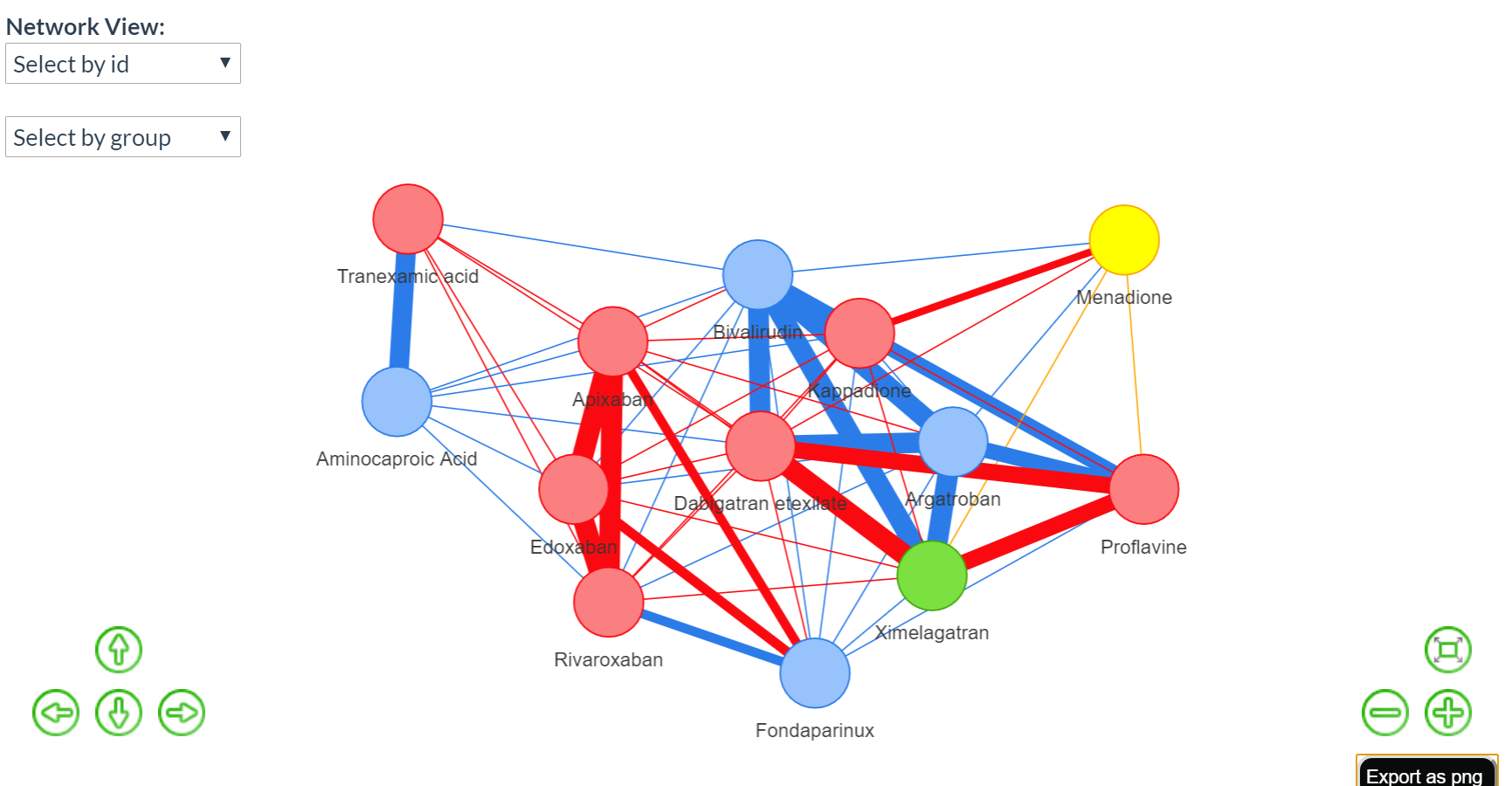
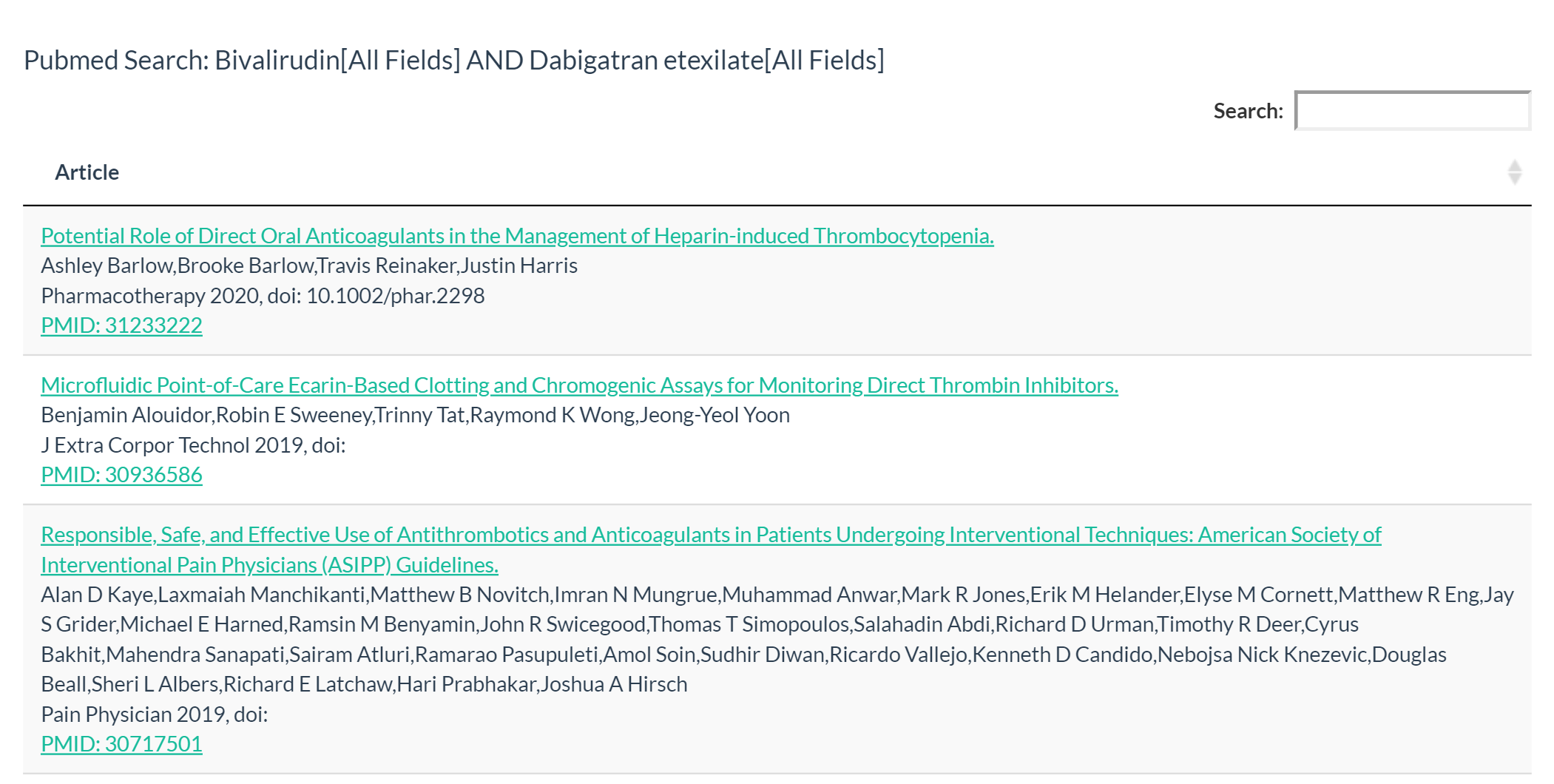
- hover over a node for drug information, or click an edge to retrieve PubMed evidence for that drug pair;
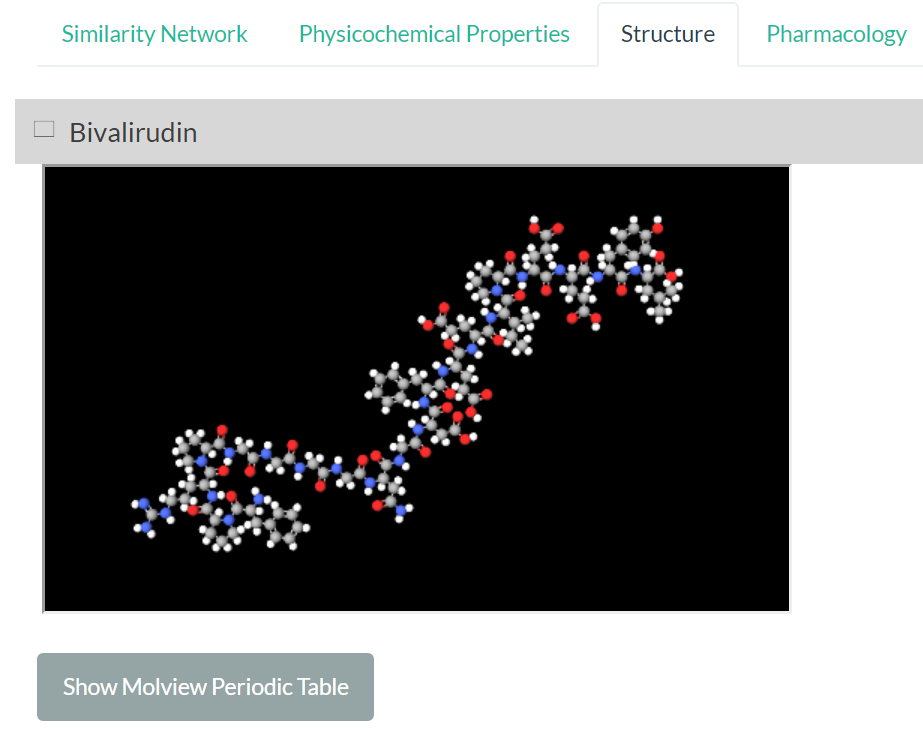
- view 3D chemical structures and browse physicochemical and pharmacological properties.
Use cases
- Drug repositioning: rank candidates by similarity to drugs with a known indication.
- Side-effect and drug–drug-interaction hypotheses: similar drugs often share adverse-event profiles.
- Network medicine: run community detection, random walks or graph neural networks on the similarity network. DrugSimDB’s multi-evidence similarity also powers our COVID-CDR platform and the proposed Onco-CDR platform for cancer combination therapy.
Access
- Web app: unsw-data-analytics.shinyapps.io/DrugRepo
- Full database download: figshare
- Code: github.com/Akmazad/DrugSimDB